Overview
Go where the wild begins.
Covering about 14,763 km², Serengeti National Park is one of Tanzania’s largest and most famous protected areas. The name comes from the Maasai word “Siringet,” meaning “wide, endless plain” — a perfect description of its vast grasslands and open horizons.
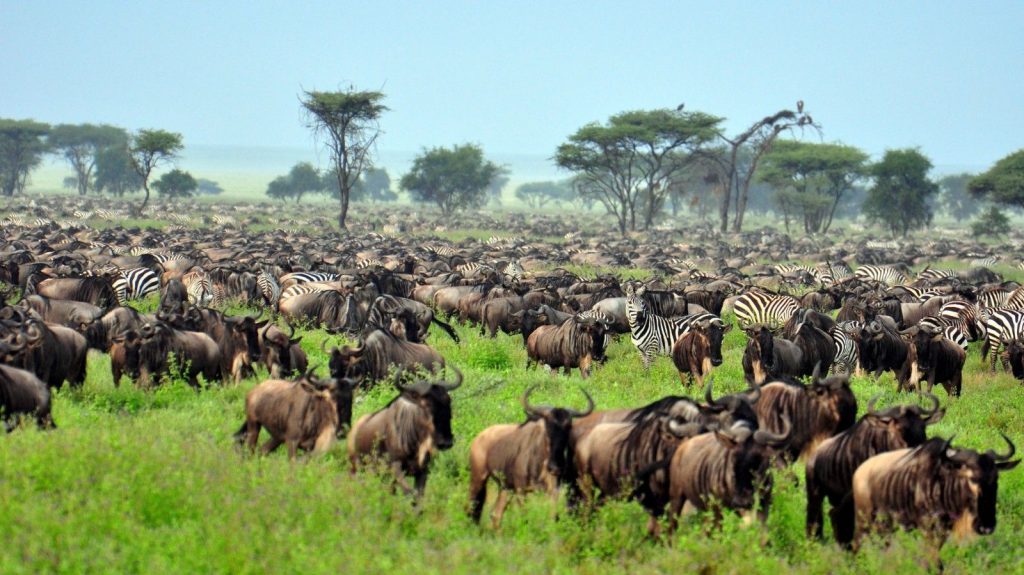
Established as a national park in 1951, Serengeti forms the heart of the wider Serengeti ecosystem. Its plains support extraordinary numbers of wildebeest, zebras and gazelles, together with some of Africa’s most iconic predators. The annual migration moves across this ecosystem in search of fresh grass and water.
From the wildlife-rich Central Serengeti to the more remote Northern Serengeti, expect endless landscapes, dramatic predator encounters and a safari experience shaped by nature's own rhythm.
Iconic Wildlife
Experience endless plains, incredible wildlife, and unforgettable safari moments.
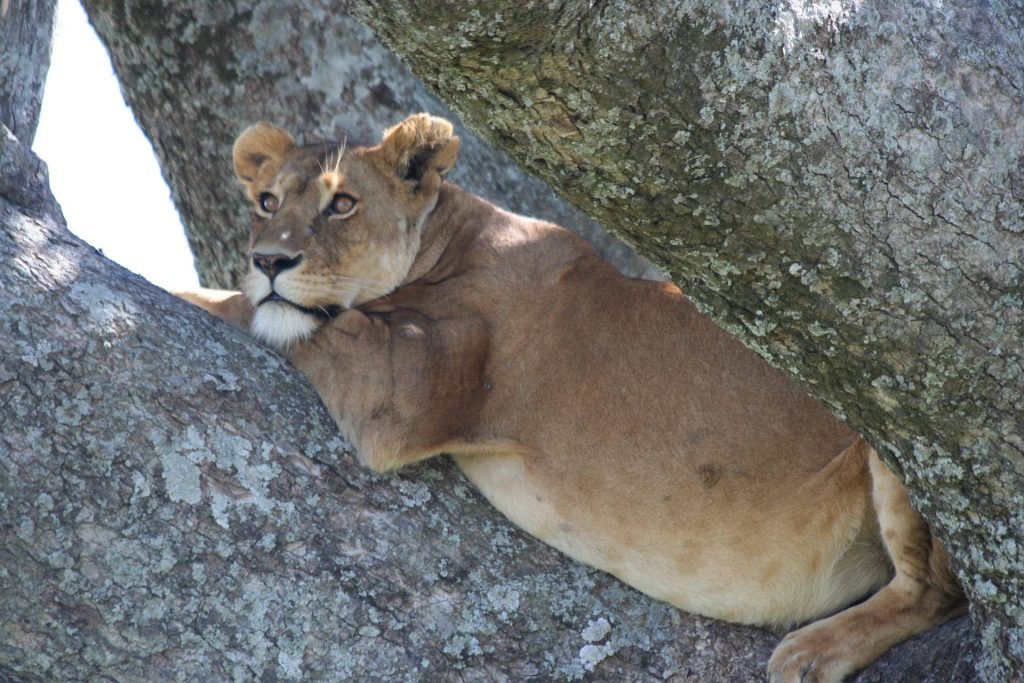
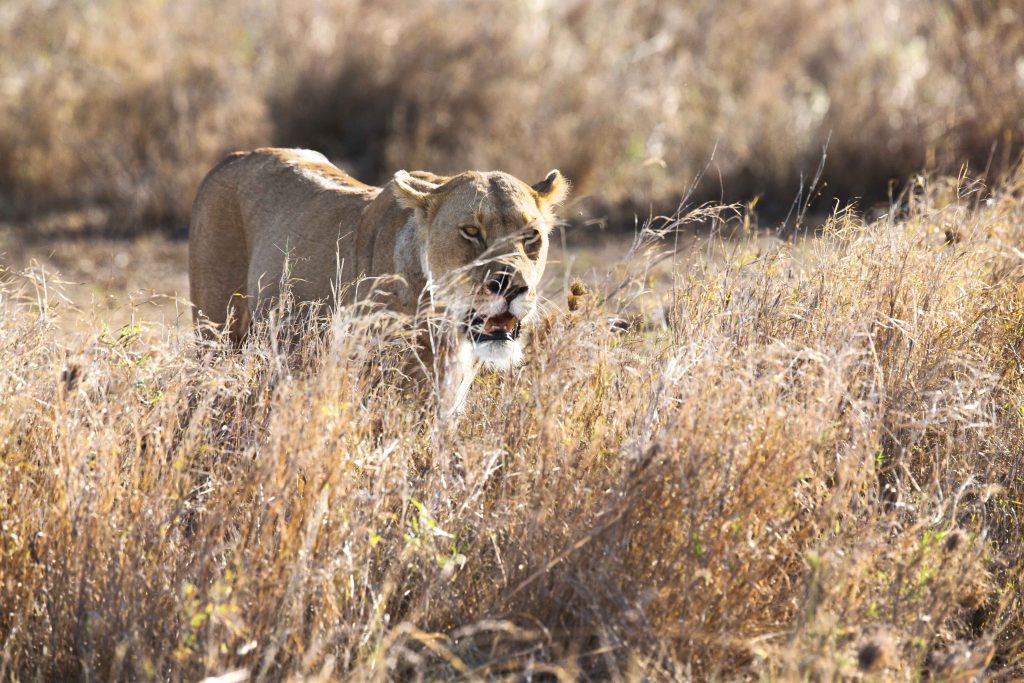
Lion
Powerful predators known for their social prides, distinctive manes, and important role in Africa’s ecosystems.
Leopard
Elusive big cats known for their spotted coats, climbing ability, and remarkable hunting skills.
Cheetah
The world’s fastest land animals, known for their slender bodies, spotted coats, and incredible speed.
Elephant
The largest land mammals, known for their intelligence, social structure, and distinctive tusks.
Buffalo
Powerful herbivores known for their strong herds, impressive horns, and unpredictable nature.
Wildebeest
Large grazing antelope known for their seasonal migrations, powerful builds, and distinctive appearance.
Zebra
Striking African herbivores recognised by their unique black-and-white stripes and strong social groups.
Giraffe
The world’s tallest mammals, recognised by their long necks, patterned coats, and graceful movements.
Hyena
Highly social carnivores known for their strong jaws, complex communities, and distinctive calls.
Best Time to Visit
June – October is ideal for dry-season wildlife viewing, while January – March brings green landscapes and excellent wildlife activity. Migration movements change with the seasons, so we plan your route around where the wildlife is moving.