Overview
Where wildlife meets ancient landscapes.
The Ngorongoro Conservation Area covers more than 8,000 km², stretching across highland plains, forests, woodlands and savannahs. Established in 1959, it was created as a multiple-use conservation area where wildlife protection exists alongside traditional Maasai pastoralism.
At its centre is the Ngorongoro Crater, the world's largest unbroken caldera. Its enclosed landscape provides a remarkable setting for wildlife, while the surrounding highlands connect you to one of Tanzania's richest natural and cultural landscapes.
Beyond wildlife, Ngorongoro is also part of the story of human history, with important archaeological sites including Olduvai Gorge and Laetoli found within the wider conservation area.
Activities Ngorongoro
Explore crater landscapes, abundant wildlife, and unforgettable safari experiences.
- Game Drives
- Big Five Wildlife Viewing
- Crater Rim Photography
- Visits Maasai Communities
Iconic Wildlife
Meet the remarkable species that call Tanzania home.
Lion
Powerful predators known for their social prides, distinctive manes, and important role in Africa’s ecosystems.
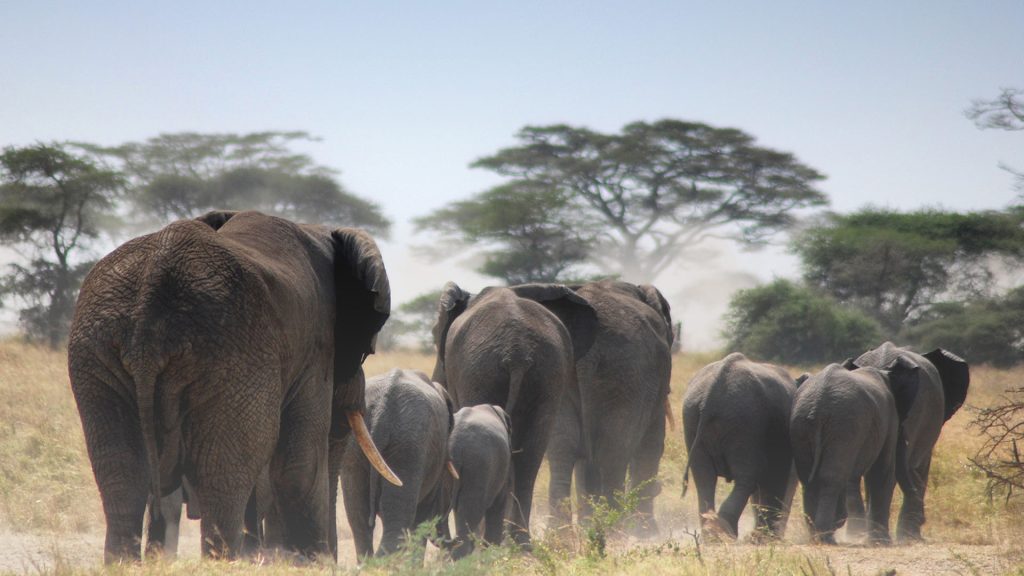
Elephant
The largest land mammals, known for their intelligence, social structure, and distinctive tusks.
Buffalo
Powerful herbivores known for their strong herds, impressive horns, and unpredictable nature.
Wildebeest
Large grazing antelope known for their seasonal migrations, powerful builds, and distinctive appearance.
Zebra
Striking African herbivores recognised by their unique black-and-white stripes and strong social groups.
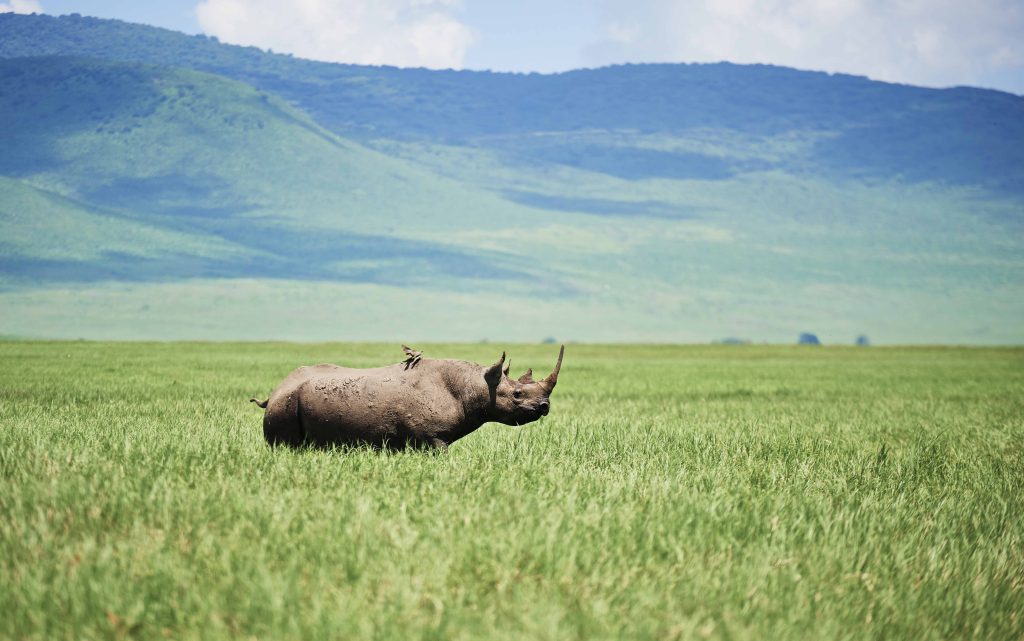
Rhinoceros
Large, powerful herbivores recognised by their thick skin, strong horns, and ancient appearance.
Hyena
Highly social carnivores known for their strong jaws, complex communities, and distinctive calls.
Hippopotamus
Large semi-aquatic mammals known for their powerful jaws, massive bodies, and time spent in water.
Best Time to Visit
June – October offers dry conditions and excellent wildlife viewing.
The wetter months bring greener landscapes and a different side of the highlands.
Come for the crater. Stay for the landscape.